Vicky Kumar Patel
C.S.E
Some More Viruses
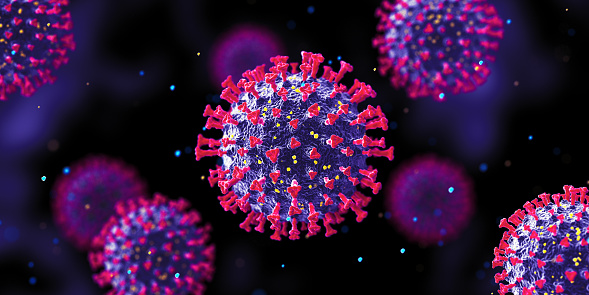
COVID-19
Coronavirus disese is an infectious disese caused by newly
discovered coronavirus. The virus can spread from an infected person’s mouth or nose in small liquid
particles when they cough, sneeze, speak, sing or breathe. These particles range from larger respiratory
droplets to smaller aerosols.
You can be infected by breathing in the virus if you are near someone who has COVID-19, or by touching a
contaminated surface and then your eyes, nose or mouth. The virus spreads more easily indoors and in
crowded settings.
Ebola
A virus thet causes severe bleeding, organ failure and can also lead to death. The virus first spreads to people through direct contact with the blood, body fluids and tissues of animals. Ebola virus then spreads to other people through direct contact with body fluids of a person who is sick with or has died from EVD. This can occur when a person touches these infected body fluids or objects that are contaminated with them..
Learn MoreNipah Virus
Nipah virus (NiV) is a zoonotic virus, meaning that it can spread between animals and people. Fruit bats, also called flying foxes, are the animal reservoir for NiV in nature. Nipah virus is also known to cause illness in pigs and people. Infection with NiV is associated with encephalitis (swelling of the brain) and can cause mild to severe illness and even death
Learn MoreZika Virus
A disease caused by Zika virus that is spread through
mosquito bites. In few cases, Zika can trigger paralysis. In pregnant women, it
may cause subsequent birth defects.Transmission has been reported from infected men and women to
their sexual partners. The virus can be transmitted through anal, oral or vaginal sex.
Symptoms of this virus are generally mild, with fever, rash and joint pain present. Most people who
develop the virus do not have symptoms.
Rabies
Infection from this virus develops after a bite or scratch from an infected animal. This can result in
damage to the brain and nerves. Once symptoms begin to show, death almost always follows, according to
the National Health Service (NHS).
"It destroys the brain, it's a really, really bad disease," Muhlberger said. "We have a vaccine against
rabies, and we have antibodies that work against rabies, so if someone gets bitten by a rabid animal we
can treat this person," she said.
However, she said, "if you don't get treatment, there's a 100% possibility you will die.